
Posted on

Cat Litter Guide: How to Choose the Right Litter for Your Cat

Different types of cat litter side by side — clay, silica gel, wood pellets and plant-based

Walk into any pet shop and you’ll find a dozen bags that all promise the same thing: no smell, no mess, happy cat. The truth is simpler and more annoying — there is no single “best” litter. There is only the best litter for your cat, your home and your budget. This cat litter guide breaks down every common type, what it really costs per month, and which options make sense if you live in a typical Portuguese apartment without much storage or ventilation.

Why litter choice matters more than the box

Cats are famously picky about texture and smell. Studies of litter box problems show that when a cat suddenly starts going outside the box, the litter itself is one of the most common reasons — too perfumed, too dusty, or an uncomfortable texture on their paws. Choosing well from the start saves you cleaning, money and a very offended cat.

Three things decide whether a litter works for you:

  1. Odour control — how well it locks in smell between cleanings.
  2. Dust and tracking — how much ends up in your cat’s lungs and on your floor.
  3. Disposal — what you’re actually allowed to do with it afterwards.

The main types of cat litter

Clumping clay (bentonite)

The classic. Urine forms solid clumps you scoop out daily, so the rest of the litter stays usable for weeks.

  • Pros: excellent odour control, cheap per month, cats love the fine sandy texture.
  • Cons: heavy bags, noticeable dust, sticks to long-haired paws, and it’s strip-mined clay — the least eco-friendly option here.

Non-clumping clay

Absorbs liquid without forming clumps; you replace the whole tray every few days.

  • Pros: cheapest upfront, low tracking.
  • Cons: smell builds up fast, you throw away far more litter overall. Usually a false economy.

Silica gel (crystals)

Those translucent crystals absorb moisture and trap odour impressively well.

  • Pros: superb odour control, very light, one fill can last 3–4 weeks for a single cat.
  • Cons: pricier per bag, some cats dislike the crunchy texture under their paws, and it’s still a non-renewable, non-biodegradable product.

Wood pellets

Compressed pine or spruce sawdust — often the same pellets sold for pellet stoves, just dust-extracted for pets. When wet, pellets break down into soft sawdust that falls through a sieve tray.

  • Pros: natural pine smell, very low dust, biodegradable, one of the cheapest natural options, minimal tracking.
  • Cons: some cats need a slow transition to accept the pellet texture; works best with a two-layer sieve box.

Paper and plant-based litters (tofu, corn, cassava)

The new generation: recycled paper pellets or clumping litters made from soy pulp, corn or cassava starch.

  • Pros: lightweight, biodegradable, most tofu litters clump like clay but with almost no dust — great for kittens and cats with respiratory issues.
  • Cons: the most expensive category, and cheaper brands can struggle with odour in hot weather.

How to choose: quick answers by situation

Small apartment, little airflow? Prioritise odour control: silica or a quality clumping clay, cleaned daily. In a hot Algarve or Lisbon summer, smell escalates fast — scoop morning and evening.

Kitten under 4 months? Avoid clumping clay (kittens sometimes taste litter and clumping clay can cause blockages). Paper or plant-based litter is the safe choice.

Two or more cats? The rule is one box per cat plus one extra. Clumping types make multi-box maintenance far easier.

Eco-conscious household? Wood pellets or plant-based litters are the clear winners — renewable materials, less weight shipped across Europe, and a fraction of the mining footprint of clay.

Tight budget? Wood pellets usually win on cost per month among the natural options; clumping clay wins among conventional ones.

Disposal in Portugal: the part everyone gets wrong

Two rules that surprise many owners:

  • Never flush cat litter — not even brands labelled “flushable”. Portuguese plumbing and municipal water treatment aren’t designed for it, and cat waste can carry Toxoplasma gondii, which water treatment doesn’t reliably remove.
  • Used litter goes in the general waste bin (indiferenciado) — not the brown organic bin, even if the litter itself is biodegradable, because it contains animal waste. Clean, unused wood or paper litter is the only part that could ever be composted.

Wrap scooped waste in a repurposed bag (bread bags and paper packaging work well — no need to buy plastic bags just for this) and bin it with your regular rubbish.

What it costs per month

Rough figures for one adult cat, based on typical Portuguese prices in 2026:

  • Non-clumping clay: €8–12, but with daily smell compromises
  • Clumping clay: €10–15
  • Wood pellets: €8–14
  • Silica crystals: €12–18
  • Tofu / plant-based: €15–25

The cheapest bag is rarely the cheapest month — clumping and pellet litters last much longer per kilo than non-clumping clay.

FAQ

What is the best cat litter for smell? Silica gel crystals and premium clumping clay offer the strongest odour control. Whatever the type, daily scooping matters more than the brand.

Is wood pellet litter good for cats? Yes — it’s low-dust, biodegradable and affordable. Most cats accept it after a gradual one-to-two-week transition mixed with their old litter.

How often should you change cat litter completely? Clumping litters: full change every 3–4 weeks. Non-clumping: every 3–5 days. Pellets: replace the sawdust layer as it accumulates, full refresh every 2–3 weeks. (We’ll cover this in detail in our detailed guide.)

Can you compost cat litter in Portugal? Used litter, no — animal waste doesn’t belong in home compost or the municipal organic bin. Only clean, unused plant-based litter is compostable.


Ready to upgrade the litter box routine? Browse our Pet Shop for cat essentials, and check out the Eco Store if you’re switching to sustainable options. And if you haven’t yet — sign up on our homepage for 10% off at launch 🎉
Posted on

Zero-Waste Kitchen: 12 Simple Swaps That Save You Money

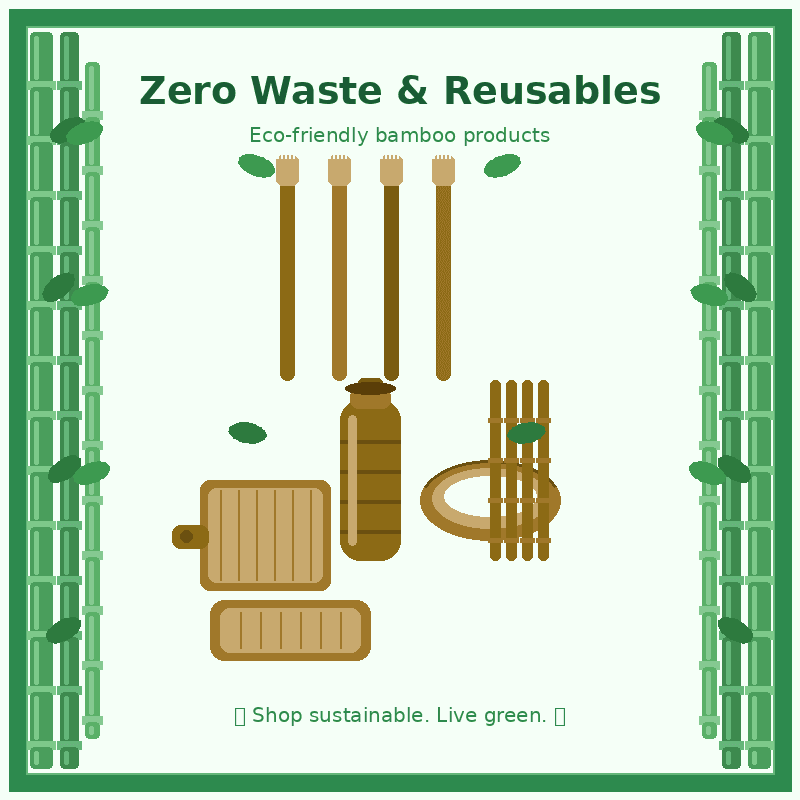
Zero-waste kitchen essentials: reusable bamboo and plastic-free products

Your kitchen is probably the most wasteful room in your home — and the easiest one to fix. Between cling film, paper towels, plastic bags and single-use bottles, an average household throws away hundreds of euros every year in things designed to be used once and binned. That is exactly where a zero-waste kitchen begins.

The good news? A zero-waste kitchen is not about perfection, expensive gadgets or making your own toothpaste. It is about a handful of smart swaps that pay for themselves within months — and then quietly keep saving you money for years.

Here are 12 simple swaps to get you started, roughly in order of impact.

1. Cling film → beeswax wraps or silicone lids

Cling film is used for minutes and lives in landfill for decades. Reusable beeswax wraps mould around bowls and cut fruit with the warmth of your hands, and a set lasts about a year with simple cold-water washing. Stretchy silicone lids do the same job for hundreds of uses and go in the dishwasher.

The maths: a family easily uses 2–3 rolls of cling film a year. One set of wraps or lids replaces all of it.

2. Paper towels → washable cloth towels

The average household gets through dozens of paper towel rolls a year. A stack of cotton or bamboo cloths handles the same spills, wipes and drying — then goes into the wash you were already running. Keep a small basket for used ones so the habit sticks.

3. Plastic produce bags → reusable mesh bags

Those thin plastic bags at the supermarket fruit aisle are among the least recyclable plastics of all. Lightweight mesh bags weigh almost nothing (so they barely affect the scale), let your produce breathe, and most cashiers in Portugal are already used to seeing them.

4. Plastic bottles → one good reusable bottle

Tap water in most of Portugal is perfectly safe to drink. If you don’t like the taste, a simple filter jug fixes it for cents per litre. Compare that with bottled water at the supermarket — a family can spend €200+ a year on something that flows from the tap almost for free.

5. Sponges → wooden dish brush and compostable cloths

A plastic sponge sheds microplastics with every wash and needs replacing every few weeks. A wooden dish brush with natural bristles lasts months, and you replace only the head. Compostable cellulose cloths handle the wiping and go into organic waste at the end of their life.

6. Liquid dish soap in plastic → solid dish soap bar

One solid dish soap block outlasts two or three plastic bottles of liquid soap, takes up less space, and there is nothing to throw away at the end. Rub the brush on the block and wash as usual.

7. Single-use baking paper → silicone baking mat

If you bake even once a week, a silicone mat replaces roll after roll of baking paper. It lasts for years, nothing sticks to it, and it wipes clean in seconds.

8. Plastic containers → glass jars you already own

Before buying anything: jam jars, pickle jars and pasta sauce jars are free storage that seals better than most lunchboxes. For the fridge and freezer, a small set of glass containers with lids will outlive every plastic box you have ever owned — and won’t stain or smell.

9. Tea bags → loose leaf tea

Many tea bags contain plastic that ends up in your cup. Loose tea with a small strainer is cheaper per cup, tastes better, and the leaves go straight into compost or organic waste.

10. Coffee capsules → French press or moka pot

Capsule coffee costs several times more per cup than ground coffee, and most capsules never get recycled. A classic moka pot or French press makes better coffee for a fraction of the price, with zero waste beyond the grounds — which, again, are compost gold.

11. Buying in packaging → buying a granel

Portugal has a growing number of bulk stores (lojas a granel), and many supermarkets now have bulk sections for nuts, grains and dried fruit. Bring your jars or cotton bags, pay by weight, and skip the packaging entirely. You often pay less per kilo, too.

12. Food waste → a small compost habit

Roughly a third of household waste is organic. If your municipality collects bio-waste (the brown bins are spreading across Portuguese cities), use it. If you have a balcony or garden, a small composter turns peels into free fertiliser. Less smell in the kitchen bin, lighter rubbish bags, happier plants.

How to start your zero-waste kitchen (without overwhelm)

Do not try to do all twelve at once. The zero-waste kitchens that last are built one habit at a time:

  1. Week 1: stop buying one disposable thing (cling film is the easiest first win).
  2. Week 2–3: use up what you have — zero waste means not binning usable things, even plastic ones.
  3. Week 4: add the next swap when the first one feels normal.

In three months the kitchen runs itself, and you will notice it in the shopping bill before you notice it in the bin.

Frequently asked questions

Is a zero-waste kitchen more expensive? Upfront, some swaps cost more than their disposable versions. Over a year, almost all of them are cheaper: reusables are bought once, disposables are bought forever.

What is the single best first swap? Whichever disposable you buy most often. For most households that is cling film, paper towels or bottled water.

Do I have to give up plastic completely? No. Use the plastic you already own until it wears out. Zero waste is about what you stop buying, not what you throw away today.


Coosher is an eco-friendly store based in Portugal. Browse our Kitchen and Eco Store collections — and sign up on our homepage to get 10% off when we launch.